KLN

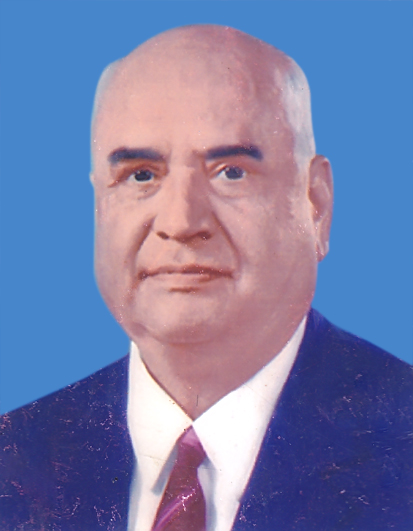
Padmashree 1971 · Development Commissioner for Small Scale Industries · UNIDO Senior Advisor

Architect ofIndia's Small-ScaleIndustrial Awakening

From the lanes of Cottonpet, Bangalore to the councils of the United Nations — one man's lifelong mission to place industry within reach of every village entrepreneur.

Explore the Life→c. 1912 — 1990
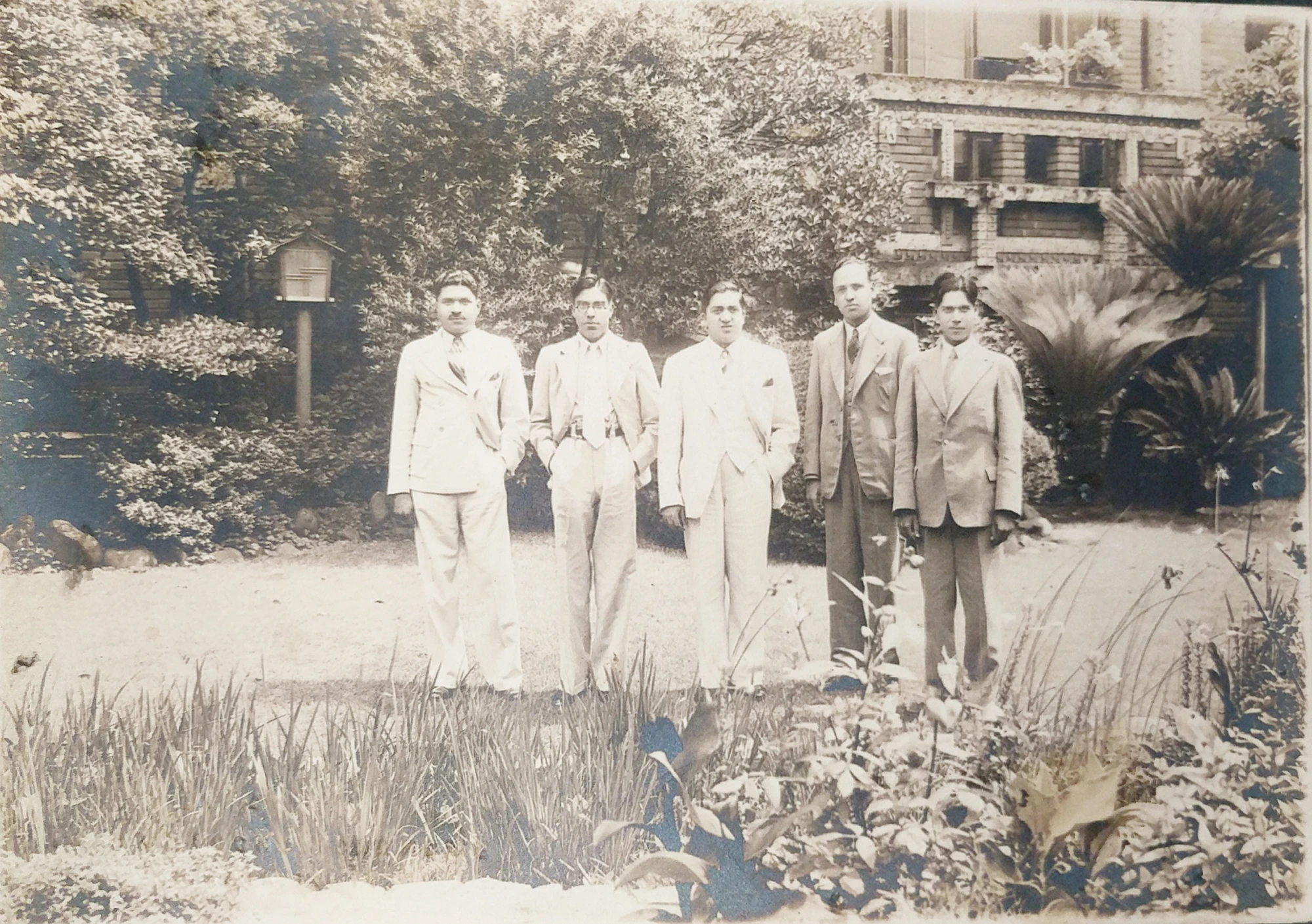
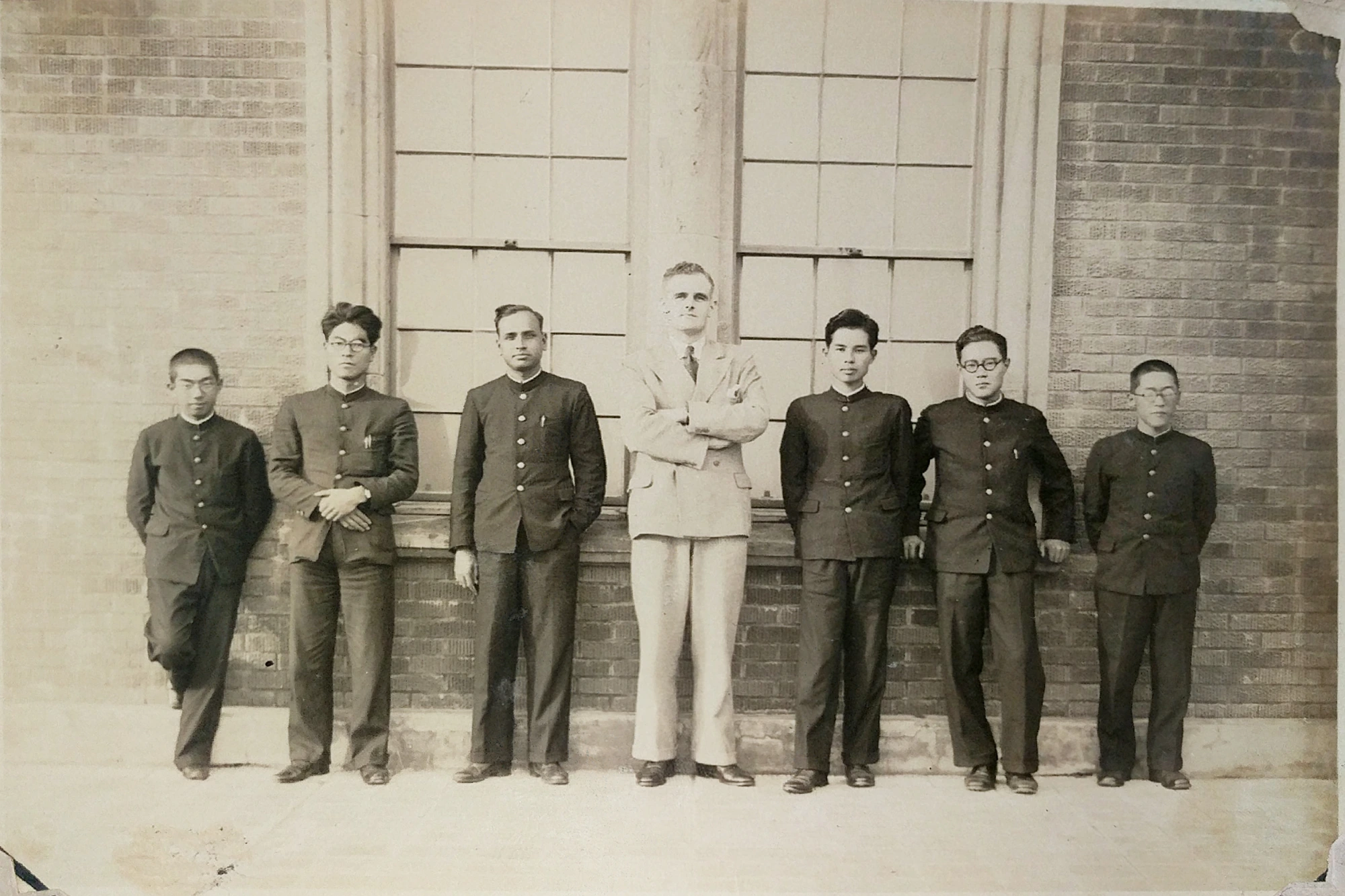
Tokyo University of Commerce 1935✦
Mysore Iron & Steel Works 1940✦
Government of India, UPSC 1950✦
Development Commissioner SSI 1967✦
Padmashree Awardee 1971✦
UNIDO Senior Advisor · Six Nations✦
Founder, KLN Foundation 1973✦
Catalyst Behind KASSIA✦
Tokyo University of Commerce 1935✦
Mysore Iron & Steel Works 1940✦
Government of India, UPSC 1950✦
Development Commissioner SSI 1967✦
Padmashree Awardee 1971✦
UNIDO Senior Advisor · Six Nations✦
Founder, KLN Foundation 1973✦
Catalyst Behind KASSIA✦

The Autobiography · Lamps of Memory

Seven decades begin in Cottonpet

c. 1912 — 1934

Cottonpet Roots & the First Satyagraha

Born the third son of Karachur Lingappa at Aragadde village near Anekal, Nanjappa grew up at No. 49, Gajje Basetti Galli in Cottonpet, Bangalore — a close-knit Veerasaiva trading community that had carried on the cotton trade for two hundred years. His mother, daughter of the farmer-litterateur Sivarudrappa, was the family's anchor: a woman of fierce resolve who sold home-made eatables to pay five rupees a month for her sons' tuition.

In 1928, while studying at Sultanpet Middle School, the removal of a beloved Ganesha idol from the school premises sparked what he would later call the first Satyagraha in old Mysore State. For four days the sixteen-year-old helped lead two hundred students in peaceful protest — addressing crowds, marching to Carlton House to petition Dewan Sir Mirza Ismail, and even enduring a night in the Central Jail rather than sign an undertaking. The idol was restored; a public speaker was born.
In the Service of the Nation · 1950 — 1973

Building India's small-industry statecraft

1950 — 1966

From UPSC Selection to National Architect

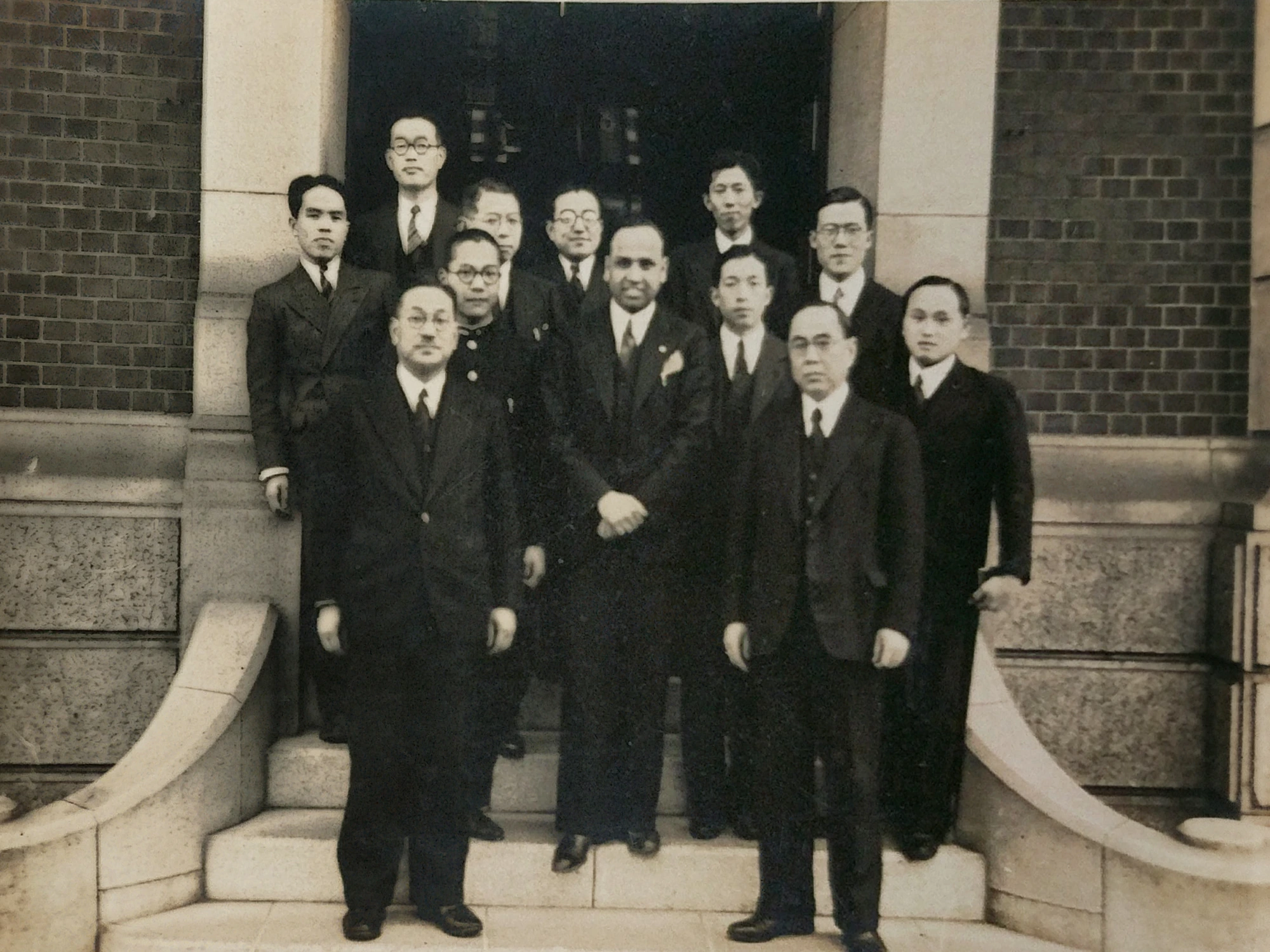
On 2nd January 1950, Nanjappa joined the Government of India in Delhi — selected by the UPSC as Deputy Director of Small Scale Industries on the strength of knowledge no other candidate possessed. He took charge of the Central Cottage Industries Emporium, weeded out sub-standard consignments, and turned it profitable; dignitaries from Vijayalakshmi Pandit to Rajendra Nehru visited its galleries.

As Director of Handicrafts he drafted India's first Five-Year Plan for handicrafts — pottery, bidri, silver filigree, wood carving, twenty-seven industry schemes in all — and founded the national Handicrafts Week. In 1954 he was unanimously elected Chairman of the ECAFE Handicrafts Conference at Bangkok. At the 1962 Santiniketan Board meeting he fearlessly tabled his shelved proposals before the Minister; within three days small-scale industries had a dedicated Under-Secretary, and the Directorate's work finally moved.

1928 — 1990

Milestones of a Karmayogi

1928Awakening

The First Satyagraha of Mysore

Leads Sultanpet school students in a four-day peaceful protest; the Ganesha idol is restored. A public speaker is born.

1935Education

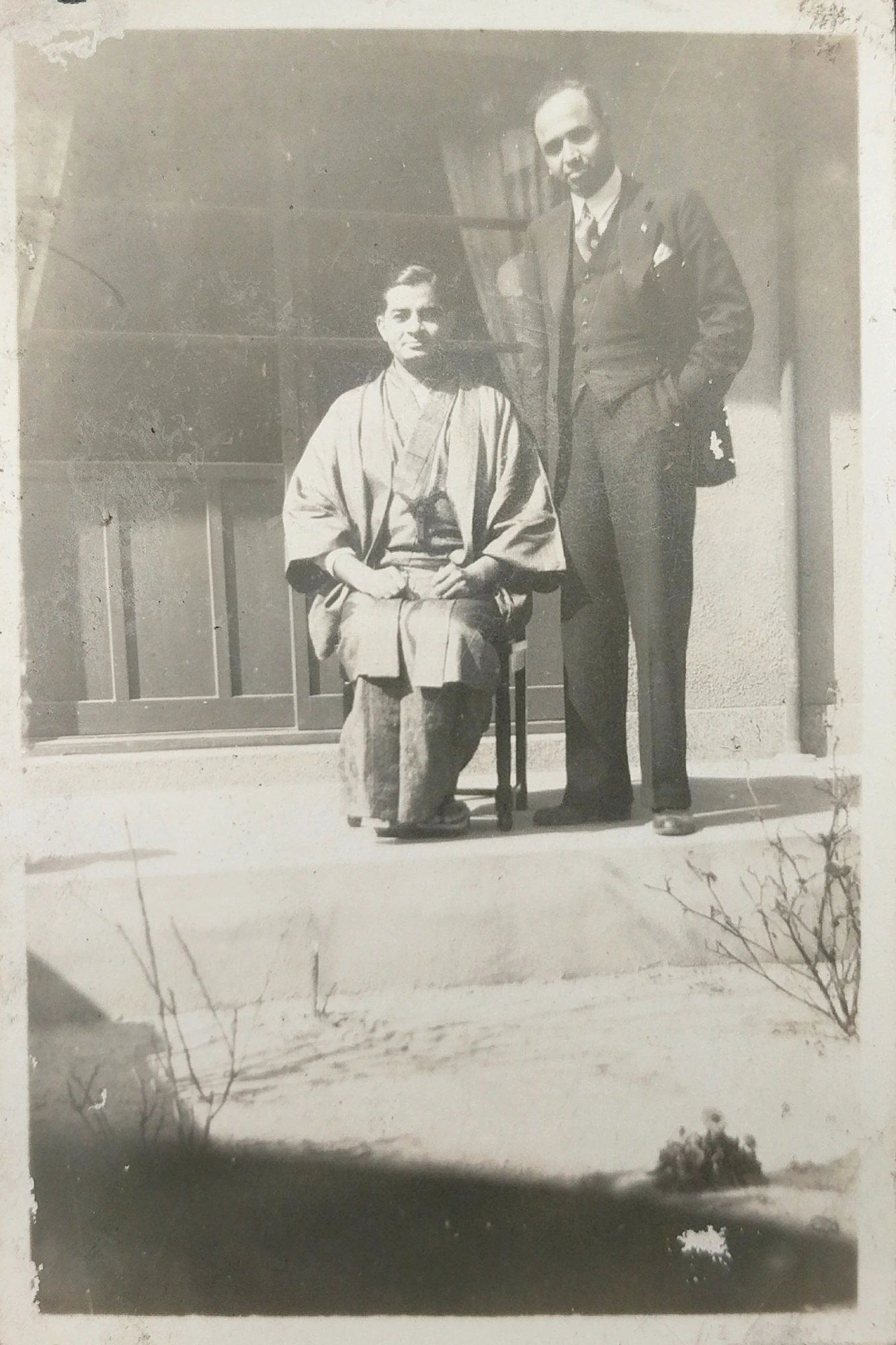
Sails to Japan

Joins the Tokyo University of Commerce (Hitotsubashi) for an M.Com, specialising in small-scale industries and international trade.

1940Service

Mysore Iron & Steel Works

Returns to India; personally received by Dewan Sir Mirza Ismail; joins Bhadravathi as a probationer.

1944Service

Assistant Director of Industries

Rises in Mysore State service; Secretary of the first State Planning Board; assists Sir M. Visvesvaraya.

1950Nation

UPSC Selection — Delhi

Joins the Government of India on 2 January as Deputy Director, Small Scale Industries.

1954Recognition

Chairman, ECAFE Conference

Unanimously elected Chairman of the international Handicrafts Conference at Bangkok.

1962Nation

Functional Director, NSIC

Transforms hire-purchase machinery supply; NSIC turns profitable; the Okhla landmark rises.

1967Nation

Development Commissioner, SSI

First departmental officer to head India's small-scale industries organisation.

1969Policy

Incentives for Backward Areas

His note to the Ministry seeds fiscal incentives that industrialise rural India; heads the Indian delegation to Cairo.

1971Honour

Padmashree

Conferred by the President of India while he serves abroad on a UN mission; organises the Second Afro-Asian Conference at Vigyan Bhavan.

1973World

UNIDO Senior Advisor

Retires from Government; begins twelve years of UN service — Philippines, Tanzania, Iran, Turkey, Zambia, Mauritius.

1990Legacy

The Lamps of Memory

Passes away on 7 October, welcomed in sleep. His memoirs and the KLN Foundation carry the legacy forward.

UNIDO · UNDP · 1973 — 1985

The UN Journey — India's model, the world's gain

Retiring from Government service in August 1973, Nanjappa began a twelve-year second career with UNIDO and the UNDP — carrying India's small-scale industry model across Asia and Africa, and returning to advise his own country's farthest corners.

1972 — 73

Philippines

Prepared the Master Plan for small and medium industries; the Government accepted his hire-purchase machinery scheme.

1973 — 75

Tanzania

UNDP Senior Advisor — built an integrated programme from village oil presses and handlooms to industrial estates.

1975

Iran

UNIDO expert — drew up the reorganisation plan for the nation's industrial cooperatives.

1975 — 79

Turkey

Designed a thousand-shed industrial estate outside Ankara — adopted as a model for developing countries.

1979 — 84

Zambia

His work led to the Small-Scale Industries Development Act, the formation of SIDO, and a credit guarantee scheme with the Bank of Zambia.

1985

Mauritius

A three-month national blueprint for consumer-goods manufacture and large-scale employment.

1973

Sri Lanka

Asian Development Bank assignment — prepared the hire-purchase scheme for machine supply.

1980s

Mizoram, India

Formulated the State's industrial policy and toured every district to kindle local entrepreneurship.

Honours & National Recognition

Awards of a Karmayogi

KLN

1971 · Conferred by the President of India

Padmashree

Conferred by the President of India while he served abroad on a United Nations mission — honouring forty-six years of unstinted service to the small-scale industries of the nation.

1954

Chairman, ECAFE Handicrafts Conference

Unanimously elected at Bangkok — a rare honour for a visiting delegate, customarily reserved for the host nation.

1969

Vice-Chairman, Afro-Asian Conference

Headed the Indian delegation to Cairo and was elected to steer the conference deliberations.

1971

Chairman, Working Committee

Chosen at the Second Afro-Asian Conference in Delhi to carry the movement to its third conference in Iran.

1972

Chairman, UNIDO Credit Seminar

Presided over the twenty-nation seminar on credit facilities in Delhi; his hire-purchase paper formed its basic document.

1990

Siddhaganga Felicitation

Honoured for lifetime service at the 83rd birthday celebrations of Mahaswamiji, Tumkur Siddhaganga Math.

What He Built for the Nation

Contributions that still feed millions

Hire-Purchase Machinery Scheme

Machines within reach of the humblest entrepreneur — his NSIC campaigns drew 18,000 new industrialists, and the scheme travelled with him to five nations.

Backward-Area Industrial Incentives

His 1969 note to the Ministry seeded development rebates, tax exemptions and transport subsidies that industrialised rural India.

First Five-Year Plan for Handicrafts

Twenty-seven industry schemes — pottery to bidri to silver filigree — and the national Handicrafts Week, a first for India.

National SSI Policy & Bank Credit

On the Development Board chaired by the Prime Minister, he opened Reserve Bank and nationalised-bank credit to small entrepreneurs.

The Birth of KASSIA

He planted the idea with his boyhood friend R. S. Aradhya — today Karnataka's premier small-industries association.

The KLN Foundation

Founded 1973 with ten well-wishers; it still honours exemplary small-scale industrialists with medals each year.

The Home Behind the Statesman

Family & Legacy

Shivamma Nanjappa

His Companion · m. 1942

Daughter of Dharmaprakash Lokasevaniratha V. R. Chikkachannanjappa Setty of Kolar, she married Nanjappa in 1942 and shared every posting that followed — Delhi's hardships, the UN years abroad. 'Hers is a life of selfless sacrifice,' wrote their son. 'She was a brave woman; she accepted life as it came.'

K. N. Jayalingappa

Engineer and entrepreneur; Chairman of FKCCI and KASSIA. It is he who brought out his father's memoirs as 'Lamps of Memory'.

K. N. Kumar

Engineering graduate and entrepreneur; served in Tanzania's bicycle industry before setting up his own ancillary unit in Bangalore; former Governor of Lions.

Shantha Sadashiva

The eldest; a coffee grower in Chikkamagalur, educated at Carmel College and Lady Irwin College, Delhi.

Usha Suresh

M.A. (History), Lady Sriram College; rose to Director of the Archives Department, Government of Karnataka. Her husband Dr. P. S. Suresh served twenty years as a doctor in Saudi Arabia.

KLN

Est. 1973 · Bangalore

The KLN Foundation

Founded in 1973 with a thousand rupees each from ten well-wishers, the KLN Foundation honours outstanding small-scale industrialists with medals and citations every year. Guided by office-bearers elected from KASSIA — the association his own vision helped birth — the Foundation, the annual Padmashree K. L. Nanjappa Memorial Lecture, and the published memoirs 'Lamps of Memory' keep his mission alive: industry in the service of the common man.

Annual medals & citations for exemplary small-scale industrialists

Padmashree K. L. Nanjappa Memorial Lecture at KASSIA, Bangalore

Memoirs published as 'Lamps of Memory' in English & Kannada

Scholarships and support for students of the community

In the Words of Those Who Knew Him

Tributes & Remembrances

“
My father virtually saw God in the work. The basic principle of his life was discipline. He never hankered after material things, and hence was never bothered by disappointment — receiving both happiness and sorrow with unalloyed equanimity.
K. N. Jayalingappa, on his father

The Written Record

Archives — Lamps of Memory

K. L. Nanjappa wrote his memoirs in English — transparent, exact, and free of ornament. Twenty-two years after his passing on 7th October 1990, his son Shri K. N. Jayalingappa brought out the book through the KLN Foundation and KASSIA. The renowned Kannada scholar Dr. S. Vidyashankar arranged the text and gave its most fitting title — Lamps of Memory.

The English Manuscript

The original memoirs — five parts, from Cottonpet boyhood to the UNDP years in Vienna.

Lamps of Memory

The Kannada translation arranged by Dr. S. Vidyashankar — 'transcreation' at its most elegant.

The Photograph Album

Black-and-white plates within the volume, reflecting the great personality of the protagonist.

Research Inquiries

Papers, citations and correspondence are preserved through the KLN Foundation, c/o KASSIA.